
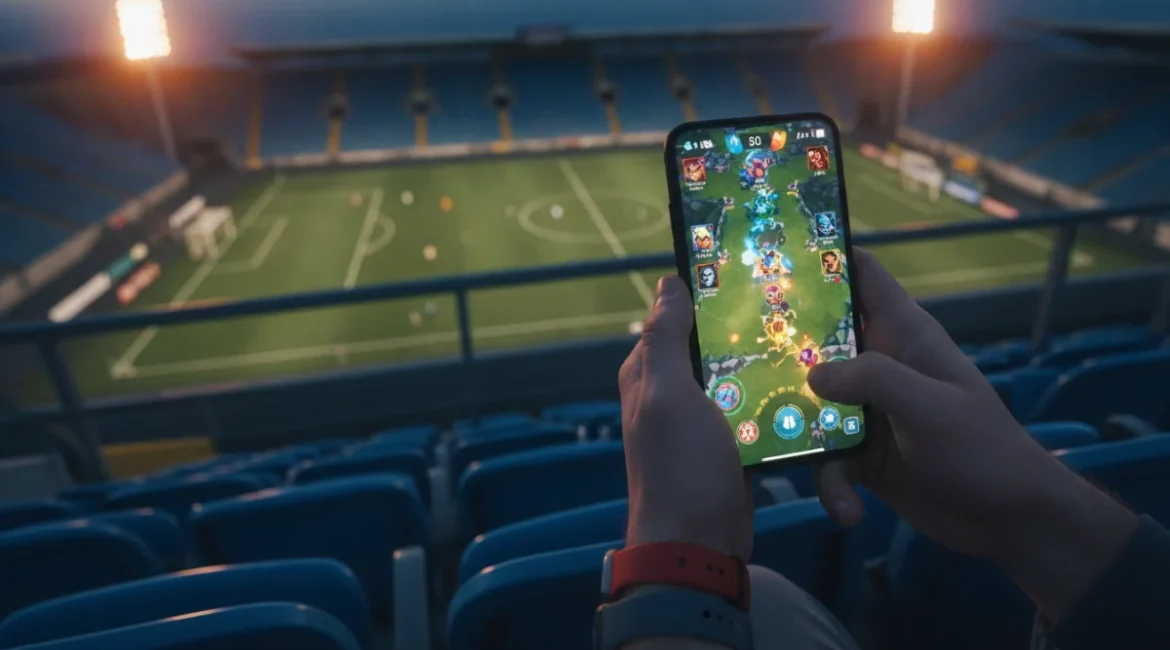
Why the Break Feels Too Long
Halftime used to be a simple pause: a chance to stretch, grab a drink, and wait for the teams to return. Today, many fans experience that same pause as an energy dip, especially after an intense first half. The crowd is still fired up, but the broadcast shifts into ads, analysis, and filler that can feel disconnected from the live action.
That is where quick mobile games fit so naturally. They give fans something immediate to do without demanding the kind of attention a full match requires. In a short window, they help preserve the excitement instead of letting it fade.
Some fans also enjoy the sense of continuity. A mobile game keeps the mind in a competitive mode, so the overall sports experience feels active rather than interrupted.
What Makes a Halftime Game Work
Successful halftime games are built for speed, simplicity, and repetition. They do not need deep storylines or long tutorials. They need to start fast, play smoothly, and finish before the next whistle.
- Fast launch: A fan should be able to open the game and begin playing almost immediately.
- Simple controls: Easy taps, swipes, or single-choice actions work better than complicated mechanics.
- Short rounds: The best titles fit neatly into one commercial break or one halftime segment.
- Repeat appeal: Players should want “just one more round” before the second half begins.
This design approach favors hyper-casual puzzles, sports-themed mini challenges, and quick reward-based games. They deliver small bursts of fun that match the rhythm of live sports viewing.
Technology Has Removed the Old Friction
Fast mobile play became much more practical once mobile networks improved and venue Wi-Fi became more reliable. Fans no longer need perfect conditions to jump into a game, and that matters in packed stadiums where thousands of people are using their phones at the same time.
Game developers have also adapted their products for this moment. Many titles use lighter data loads, reduced latency, and clean interfaces so the experience stays smooth even in crowded environments. That technical polish makes a short play session feel effortless instead of frustrating.
The result is a better fit for real-life viewing habits. Fans can play a few rounds, glance up at the screen, and still feel ready when the action resumes.
The Emotional Pull Behind the Trend
There is also a psychological reason these games are catching on. Live sports create a strong emotional charge, and halftime temporarily removes that stimulus. Quick mobile games help refill that gap with fresh goals, instant feedback, and small wins.
They also offer something sports watching cannot: direct control. Fans cannot influence the score on the field, but they can control a game on their phone and see immediate results from their choices. That simple feeling of agency is especially appealing during a passive break.
For many fans, halftime gaming is not about replacing sports. It is about staying engaged until the next big moment arrives.
How Teams and Broadcasters Are Responding
Sports organizations have noticed that fans are already using halftime to reach for their phones, so many are turning that habit into a stronger engagement tool. Instead of leaving the interval to chance, they are creating experiences that connect directly to the event itself.
- Prediction challenges: Fans answer quick questions about the match or guess what happens next.
- Reward-based mini games: Some clubs tie participation to discounts, giveaways, or loyalty perks.
- Fantasy updates: Mobile check-ins help fantasy players stay involved without missing the flow of the broadcast.
These ideas turn halftime into a more active part of the overall fan journey. Rather than waiting passively, supporters stay emotionally connected and more likely to remain engaged after the break.
What Comes Next for Short-Form Sports Entertainment
The future of halftime entertainment will likely become even more interactive. As mobile technology advances, fans may see more augmented reality features, location-aware challenges, and game experiences that feel linked to the stadium itself.
That direction makes sense because modern sports fans expect movement, speed, and constant access. Quick mobile games meet those expectations by fitting into the smallest pauses without demanding a major time commitment.
As long as sports keep creating brief breaks in the action, fast mobile play will remain a natural companion. It is a simple answer to a familiar problem: how to keep the energy alive when the game is temporarily on hold.