
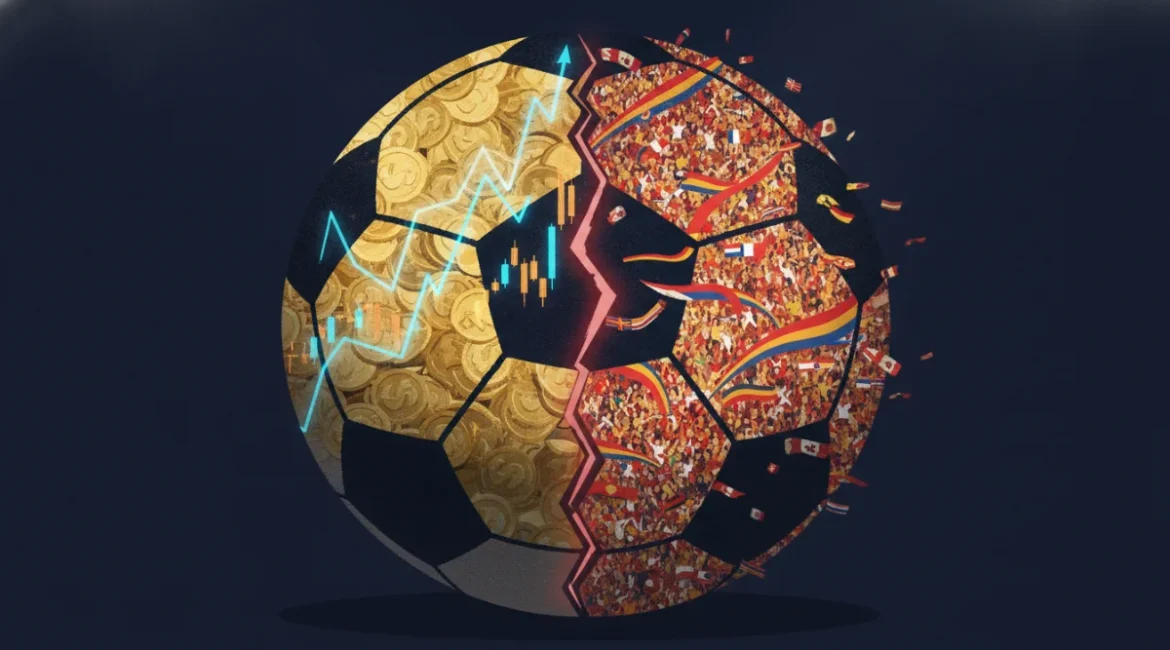
Football’s most powerful regional bodies are openly challenging FIFA over a plan to bring private investors into the sport’s biggest competitions. What began as a financial proposal has turned into a governance crisis, with UEFA leading the resistance and other confederations quickly following suit.
How the dispute escalated
FIFA president Gianni Infantino has proposed selling minority stakes in the World Cup and other FIFA properties to outside investors, with reporting pointing to a fund called Thrive Eternal, led by Joshua Kushner. Infantino also set September 19 as the deadline for FIFA’s 211 member federations to signal support, which only intensified the reaction.
The central complaint is not just the idea of private capital. Critics say the process has been rushed, opaque, and handled without enough consultation, which has made the plan look more like a power move than a strategic partnership.
The strongest resistance came from Europe
UEFA responded with the sharpest language and the strongest threat. The organization, which represents all 55 of its member associations, voted unanimously to oppose the proposal and warned that it could boycott FIFA competitions, including the World Cup, if the plan is not withdrawn.
- UEFA said the proposal was developed in secret.
- UEFA said the World Cup should not be treated as an asset for sale.
- UEFA’s stance matters because it represents the richest and most influential leagues in world football.
That makes the European position especially serious. If the biggest clubs, leagues, and national teams remain aligned, FIFA faces pressure from both the sporting and commercial sides of the game.
North America and Asia add more pressure
CONCACAF also rejected the proposal, citing the lack of transparency and the short timeline. Unlike UEFA, it did not immediately threaten a boycott, but its refusal still weakens FIFA’s effort to present the plan as broadly acceptable.
The Asian Football Confederation backed the objections raised by Europe and North America and argued that the situation should concern anyone worried about the sport’s future. It also used the moment to call for wider reform of FIFA’s governance structure, which shows that the dispute has become about more than one investment idea.
- CONCACAF rejected the plan outright.
- The AFC supported the criticism and pushed for governance reform.
- Mexico’s federation said it needed more time before taking a position.
FIFA is not backing off
FIFA has dismissed parts of the criticism as misinformation and says the consultation process will continue. That position suggests Infantino is still trying to keep the project alive even as more of football’s leadership closes ranks against him.
The fallout has already reached FIFA’s own inner circle. Senior adviser Carlos Cordeiro resigned on Friday over the proposal, which signals that the controversy is not limited to outside critics and may now be weakening confidence inside the organization itself.
Why the standoff matters now
The timing could not be worse for Infantino. He was widely expected to move toward a fourth term as FIFA president through 2031, but this dispute has made that path look less secure. Candidates are due to declare by November 18 before a March vote in Rabat, and the current backlash gives potential challengers a far more open political field.
There are also two near-term tests that could turn the argument into something bigger:
- The September 19 support deadline will show whether FIFA can still rally enough votes.
- The FIFA Under-20 Women’s World Cup in Poland next month could reveal whether the threat of a boycott becomes real.
For now, the conflict is about control, money, and trust. FIFA wants new investment options; its critics see a rushed attempt to commercialize the sport’s most valuable events without enough accountability.